

Alaska’s Premier Wood Supplier Directory
Connect with Alaska’s finest lumber yards, sawmills, and specialty wood suppliers from Anchorage to Fairbanks for your next project.
Alaska’s woodworking industry thrives on the state’s vast forest resources and the ingenuity of craftspeople who understand working with wood in extreme conditions. From Anchorage’s urban workshops to Fairbanks’ frontier mills, Alaska’s wood suppliers serve everyone from weekend DIY enthusiasts to professional contractors building custom cabins in the wilderness.
What sets Alaska’s wood market apart is the emphasis on durability and local sourcing. Alaska suppliers understand that materials must withstand temperature swings from -40°F to 80°F, and they stock species and treatments specifically suited for Alaska’s unique climate challenges. Many suppliers also specialize in reclaimed materials from Alaska’s historic buildings and structures.
Alaska wood buyers include homesteaders building off-grid cabins, urban renovators restoring historic Anchorage homes, artists crafting Alaska-themed pieces, and contractors working on everything from Palmer barns to Girdwood chalets. The state’s small but dedicated woodworking community values quality materials that can handle Alaska’s demanding environment.
Essential Tools for Alaska Woodworkers
Affiliate links · supports this site
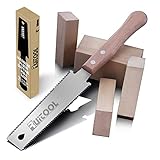
Top-rated tools and supplies for working with Alaska’s local wood species.


Browse Alaska Suppliers by Category
Find exactly what you need — from raw lumber to finished flooring.
Alaska Supplier Spotlight
Our directory features 9 verified Alaska wood suppliers, from highly-rated operations like Superior Hardwoods & Millwork in Fairbanks (4.9 stars) and Matsu Valley Rebuild in Palmer (4.8 stars) to specialized suppliers across Anchorage, Wasilla, Eagle River, and Girdwood, each offering unique expertise in serving Alaska’s woodworking community.
Why Buy Local Wood in Alaska?
Buying from Alaska wood suppliers means getting materials pre-acclimated to the state’s extreme weather conditions and receiving advice from professionals who understand building in Alaska’s unique climate. Local suppliers in Anchorage, Fairbanks, and Palmer stock wood species and treatments specifically chosen for Alaska’s temperature extremes, moisture levels, and freeze-thaw cycles that big box stores simply don’t consider.
Alaska’s local wood suppliers also provide invaluable expertise about building codes specific to Alaska, proper wood storage techniques for cold climates, and sourcing materials during Alaska’s challenging winter months when shipping delays are common. Supporting Alaska suppliers means shorter lead times, reduced shipping costs, and building relationships with professionals who understand the specific demands of Alaska construction and woodworking projects.
Wood Suppliers by City in Alaska
Browse local suppliers in these Alaska cities — click to see all listings in that area.
Alaska Wood Buying Guide
When purchasing wood in Alaska, always inquire about moisture content and whether materials have been kiln-dried to Alaska standards. Alaska suppliers typically stock lumber dried to 6-8% moisture content to account for the extreme dryness of heated Alaska interiors during winter months. Ask about cold weather delivery options and indoor storage recommendations, as proper acclimation is crucial for preventing warping and splitting in Alaska’s temperature extremes.
Expect to pay premium prices for quality materials in Alaska, typically 20-40% higher than lower-48 prices due to shipping costs and specialized processing. However, investing in properly prepared lumber from established Alaska suppliers like Superior Hardwoods & Millwork or Robinson Millwork pays off in reduced waste and better project outcomes. Always request Alaska building code compliance information and ask about recommended finishes for Alaska’s UV-intense summers and dry winters.
Red flags when buying wood in Alaska include suppliers who don’t understand local climate challenges, inadequate indoor storage facilities, and prices that seem too good to be true (which often indicates inadequate drying or poor storage conditions). Reputable Alaska suppliers will discuss seasonal wood movement, recommend appropriate fasteners for cold weather, and provide guidance on project timing around Alaska’s extreme seasons.
Wood Species in Alaska
Alaska’s native wood species include Sitka spruce, Alaska yellow cedar, Western hemlock, and paper birch, all naturally adapted to Alaska’s climate conditions. Alaska yellow cedar is particularly prized for its natural weather resistance and stability, making it ideal for Alaska outdoor projects and trim work. Many Alaska suppliers like Superior Hardwoods & Millwork also stock these native species alongside imported hardwoods, giving customers options between local sustainability and exotic wood characteristics.
Popular imported species in Alaska include oak, maple, and cherry, though these require careful handling and proper acclimatization before use in Alaska projects. Alaska suppliers typically pre-order imported hardwoods during winter months for spring delivery, allowing proper conditioning time before Alaska’s busy construction season. When working with imported species in Alaska, expect longer drying times and more dramatic seasonal movement compared to native Alaska woods.
Woodworking Culture in Alaska
Alaska’s woodworking culture is deeply rooted in the frontier tradition of self-reliance and making the most of available resources. The Alaska Woodworkers Guild and local chapters in Anchorage and Fairbanks foster a community where experienced craftspeople share knowledge about working with Alaska’s native woods and adapting techniques for extreme cold conditions. Alaska woodworkers are known for their innovative approaches to joinery and finishing that account for dramatic seasonal wood movement.
Traditional Alaska Native woodworking continues to influence modern craftspeople, particularly in the use of local species like Alaska yellow cedar and birch. Many Alaska woodworkers specialize in furniture and structures designed for cabin living, incorporating traditional Alaskan design elements while using modern techniques to ensure durability in harsh conditions. The annual Alaska State Fair in Palmer showcases the finest examples of Alaska woodcraft, celebrating both traditional and contemporary approaches to working with wood.
Seasonal Buying Tips for Alaska
The best time to purchase and work with wood in Alaska is during the late spring through early fall months (May through September) when delivery conditions are optimal and workshop temperatures allow proper adhesive curing. Many Alaska suppliers offer pre-season ordering in March and April for summer delivery, helping avoid the premium pricing and limited availability common during Alaska’s winter months when shipping becomes challenging.
Frequently Asked Questions
Buyers Also Consider
Affiliate links · supports this site
More tools and accessories Alaska woodworkers are buying.
Is Your Alaska Business Listed?
Are you an Alaska wood supplier looking to connect with more customers across the state? Claim your free listing today to showcase your Alaska expertise to woodworkers from Anchorage to Fairbanks.