
Sycamore Lumber Prices — 2026 Buying Guide
Platanus occidentalis · Domestic Hardwood · Janka 770
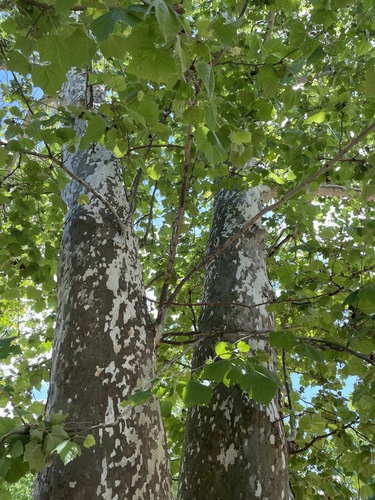
American sycamore transforms from an overlooked utility wood into a showstopper when quartersawn, revealing dramatic lace figuring that commands premium prices. Cabinet makers and furniture builders prize this medium-density hardwood for its unique ray pattern and workability, while commercial buyers rely on it for butcher blocks where food safety meets durability. With rising demand for distinctive domestic species in 2026, sycamore offers woodworkers an affordable alternative to imported exotics while delivering unmistakable character.
I learned early in my career never to judge sycamore by its plain sawn appearance after a client rejected beautiful quartersawn sycamore cabinet doors because they looked at the plain sawn samples instead. The lace figure can be so dramatic that it overwhelms small cabinet doors, so I now use it strategically on larger panels where the pattern has room to develop. Here is a tip most woodworkers miss: sycamore rays run deeper than they appear, so you can actually resaw quartersawn boards and maintain much of the figure on both pieces if you are careful about grain orientation. This technique lets you maximize expensive quartersawn material while maintaining that coveted lacewood appearance.
About Sycamore
American sycamore grows throughout the eastern United States from southern Maine to northern Florida, thriving in bottomlands and along waterways where it can reach massive diameters of 10 feet or more. These giants produce some of the widest lumber available from any North American hardwood, making sycamore particularly valuable for wide-plank applications. The species flourishes in rich, moist soils and can live over 500 years, creating old-growth specimens with incredible figure development.
Plain sawn sycamore appears unremarkable with pale cream to light brown heartwood and indistinct grain, but quartersawn boards reveal the species true personality through prominent medullary rays that create intricate lace patterns. The rays appear as reddish-brown flecks and streaks against the cream background, sometimes forming dramatic flame or ribbon patterns that shift in different lighting. Sapwood blends seamlessly with heartwood, eliminating the color contrast issues found in many other species. The wood typically shows minimal color variation within boards, providing consistent appearance across large projects.
Sycamore occupies a unique position among American hardwoods with its combination of light color, dramatic figure, and medium density that falls between soft maples and hard maple. Unlike beech, which can show similar ray patterns, sycamore machines more easily and shows less tendency toward movement after installation. The species lacks the tannins found in oak or cherry, making it ideal for food contact surfaces without imparting flavors. Compared to imported lacewood species from Australia or South America, American sycamore offers similar visual impact with superior availability and lower environmental cost.
Native Americans used sycamore for dugout canoes due to the massive trunk diameters available, while early American settlers relied on it for furniture and utilitarian items. The species gained commercial importance in the 19th century for tobacco boxes and meat cutting surfaces because of its odorless, tasteless qualities and resistance to bacteria. European furniture makers have prized quartersawn sycamore for centuries, calling it harewood when stained gray for Georgian and Victorian pieces. Modern commercial uses focus on butcher blocks, cutting boards, and food service equipment where the wood meets strict sanitation requirements.
What Sycamore Costs in 2026
The rising trend reflects increasing appreciation for domestic alternatives to imported exotics as woodworkers discover sycamore can deliver similar visual impact at lower cost and environmental impact. This upward pressure should continue through 2026 as more cabinet makers showcase quartersawn sycamore projects on social media, expanding awareness beyond traditional commercial users. Buy figured material now if you have upcoming projects, as quality quartersawn inventory typically sells quickly once word spreads about available stock.
Key Price Drivers
- Quartersawn availability drives the premium market since only specialized sawyers know how to properly orient logs to maximize the lace figure, creating supply bottlenecks
- Rising food safety regulations in commercial kitchens increase demand for sycamore butcher blocks and cutting surfaces due to the wood being naturally antimicrobial
- Export demand from European furniture makers who prize American sycamore for restoration work creates competition with domestic buyers and supports higher prices
- Limited sawmill production compared to oak or maple means sycamore inventory stays lean, allowing suppliers to maintain premium pricing on figured material
- Instagram and social media exposure of dramatic sycamore projects drives hobbyist demand, expanding the market beyond traditional commercial users
- Large diameter requirements for quality boards mean fewer trees qualify for lumber production, especially as old-growth sycamores become increasingly rare
See report
Know Exactly What to Pay Before You Buy
7 thicknesses · 3 grade tiers · 5 regions · milling premiums · 3-year trend. Verified from domestic hardwood dealers nationwide.
5 US regions
3-year trend
Milling premiums
Instant PDF
Get the Sycamore Report — $9.99 →
Working Properties & Finishing
Machining
Sycamore machines beautifully with standard tooling, but the prominent rays require sharp blades to prevent spelching where rays meet the surrounding wood. Use a 40-tooth combination blade for crosscutting and an 80-tooth blade for ripping to achieve clean edges without ray tearout. The wood cuts without burning at normal feed rates, but slow feeds on figured material to prevent the rays from chipping out. Router bits should be sharp and take light passes, as the density difference between rays and surrounding wood can cause tear-out with aggressive cuts.
Joinery & Assembly
Sycamore glues exceptionally well with both PVA and polyurethane adhesives, showing excellent bond strength across the grain variations. Pre-drill for screws near board ends to prevent splitting, though the wood generally holds fasteners well without wandering. The even density makes mortise and tenon joints particularly strong, and the wood takes dowels and biscuits without splitting or compressing excessively.
Finishing
This species accepts stain somewhat unevenly due to density differences between rays and surrounding wood, with rays typically appearing darker than the base wood. I recommend gel stains or wood conditioner for even color, though many woodworkers prefer clear finishes to showcase the natural lace figure. Sycamore takes lacquer, polyurethane, and oil finishes equally well without blotching or adhesion issues. The wood shows minimal color change over time, maintaining its light cream appearance for decades. For food contact surfaces, I recommend Waterlox Original Tung Oil finish which provides excellent protection while meeting food safety requirements.
Target 6-8 percent moisture content for cabinet work and furniture applications, as sycamore shows moderate movement characteristics similar to soft maple. The species air dries relatively quickly but benefits from careful kiln drying to prevent honeycomb defects in thick material. Allow quartersawn boards to acclimate in your shop for at least a week since the ray structure can cause slightly different movement patterns than straight-grained species.
American sycamore offers excellent sustainability credentials as a fast-growing native species with abundant forest resources throughout its range. Most lumber comes from sustainably managed forests with natural regeneration, and the species grows rapidly enough to support continued harvesting without depletion concerns. Regional availability varies by season since many sycamore logs come from urban removals and storm damage rather than dedicated timber harvests, making local sourcing both economical and environmentally responsible.
Before You Buy — What to Know
Always inspect sycamore in person since quartersawn figure varies dramatically from board to board, and some suppliers mix plain sawn pieces into quartersawn lots to increase volume. Ask specifically about the sawing method and request to see end grain to verify true quartersawn orientation. Check for insect damage, as sycamore can harbor powder post beetles, especially in sapwood areas. Verify moisture content below 8 percent for interior use since sycamore moves more than oak or maple when moisture levels fluctuate.
Choosing the Right Sycamore
| Application | Recommended | Key Consideration |
|---|---|---|
| Butcher blocks | Primary use | See full species report for grade recommendations |
| Furniture | Suitable | See full species report for grade recommendations |
| Turning | Suitable | See full species report for grade recommendations |
| Veneer | Suitable | See full species report for grade recommendations |
Janka Hardness: 770 — Moderate hardness. Suitable for most furniture and millwork applications.
Where to Buy Sycamore Near You
Sycamore is widely available from hardwood dealers and sawmills across the US. Use the WoodScout directory to find rated suppliers near you — many sell direct to hobbyists and small shops.
All Hardwood Lumber Dealers →
Minnesota
Wisconsin
Pennsylvania
North Carolina
Ohio
California
Texas
Search 3,700+ hardwood dealers and sawmills across all 50 states — with ratings, reviews, and contact info.