
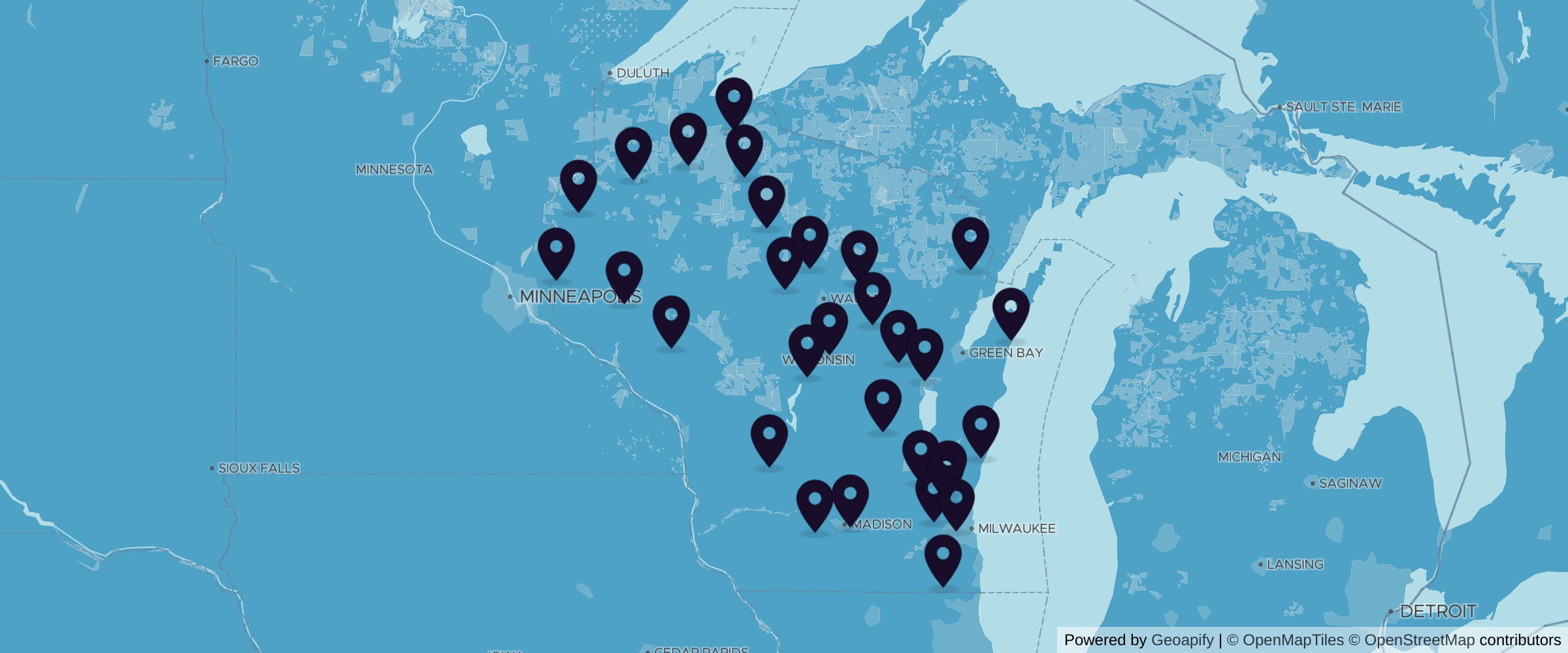
Wisconsin Wood Suppliers Complete Directory
Discover 94 trusted wood suppliers across Wisconsin, from Milwaukee millwork shops to Northwoods sawmills serving contractors and woodworkers statewide.
Wisconsin’s wood supply industry thrives on the state’s rich forestry heritage and diverse manufacturing base. With 94 suppliers spanning from the hardwood forests of northern Wisconsin to the urban centers of Milwaukee and Madison, the Badger State offers comprehensive wood sourcing for every project need.
What sets Wisconsin’s wood market apart is its deep integration with local forestry and agricultural traditions. Many suppliers operate their own sawmills, processing locally harvested timber from Wisconsin’s 17 million acres of forestland. This vertical integration means fresher inventory, competitive pricing, and wood species that are perfectly adapted to Wisconsin’s climate conditions.
Professional contractors, furniture makers, hobbyist woodworkers, and homeowners all find value in Wisconsin’s supplier network. From reclaimed barn wood preserving the state’s agricultural history to precision millwork for contemporary construction projects, Wisconsin suppliers cater to traditional craftsmanship and modern building demands alike.
Essential Tools for Wisconsin Woodworkers
Affiliate links · supports this site
Top-rated tools and supplies for working with Wisconsin’s local wood species.
Browse Wisconsin Suppliers by Category
Find exactly what you need — from raw lumber to finished flooring.
Wisconsin Supplier Spotlight
Our featured Wisconsin wood suppliers represent the best of the state’s diverse wood industry, from Burlington Firewood Supply in Kansasville serving southeastern Wisconsin to Endeavor Hardwoods in Lyndon Station specializing in premium lumber. These top-rated suppliers have earned recognition for quality products, reliable service, and deep knowledge of Wisconsin’s wood market.
Why Buy Local Wood in Wisconsin?
Wisconsin wood suppliers offer distinct advantages over big box retailers, starting with their expertise in local wood species and climate considerations. Local suppliers understand how Wisconsin’s freeze-thaw cycles affect different woods and can recommend species that perform best in the state’s continental climate. They also maintain relationships with regional sawmills and can source specialty Wisconsin hardwoods like basswood, butternut, and local oak varieties that national chains rarely stock.
Supporting local Wisconsin suppliers also means supporting the state’s forest economy and sustainable harvesting practices. Many Wisconsin suppliers participate in state forestry programs and can provide documentation about sustainable sourcing from Wisconsin forests. Additionally, local suppliers offer services like custom milling, kiln drying to Wisconsin moisture specifications, and delivery schedules that align with the state’s construction seasons.
Wood Suppliers by City in Wisconsin
Browse local suppliers in these Wisconsin cities — click to see all listings in that area.
Wisconsin Wood Buying Guide
When purchasing wood from Wisconsin suppliers, start by discussing your project’s specific requirements and timeline. Wisconsin suppliers often maintain inventory based on seasonal demand, so early planning helps ensure availability. Ask about moisture content specifications, especially for construction lumber that needs to perform in Wisconsin’s variable humidity conditions. Most reputable Wisconsin suppliers will provide moisture meter readings and explain their kiln-drying processes.
Pricing in Wisconsin varies significantly by species, grade, and supplier type. Expect to pay premium prices for locally sourced hardwoods like Wisconsin cherry or maple, but these often provide better value than imported alternatives due to lower shipping costs and superior climate adaptation. Always request quotes from multiple suppliers and ask about quantity discounts, especially for construction projects requiring substantial volumes.
Red flags when dealing with Wisconsin wood suppliers include reluctance to discuss wood origin, inability to provide moisture content information, and pressure to purchase immediately without allowing time for inspection. Reputable Wisconsin suppliers welcome questions about their sourcing practices, maintain clean facilities, and provide clear policies on returns or exchanges for defective materials.
Wood Species in Wisconsin
Wisconsin’s native wood species reflect the state’s diverse forest ecosystems, from northern conifers to southern hardwoods. Eastern white pine, Wisconsin’s state tree, remains popular for construction and millwork, while sugar maple provides both lumber and the bonus of syrup production. Wisconsin oak species, including white oak and bur oak, are prized for furniture and flooring projects. Northern Wisconsin contributes cedar, hemlock, and birch, while southern regions produce basswood, butternut, and black cherry.
Many Wisconsin suppliers also stock regionally appropriate non-native species that perform well in the state’s climate. These include domestic species like Douglas fir from the Pacific Northwest and various imported hardwoods. However, Wisconsin suppliers often recommend starting with local species for both environmental and performance reasons, as these woods are naturally adapted to the state’s moisture and temperature conditions.
Woodworking Culture in Wisconsin
Wisconsin’s woodworking culture runs deep, rooted in the state’s logging heritage and sustained by active guilds and educational programs. The Wisconsin Woodworkers Guild, with chapters in Milwaukee, Madison, and other cities, promotes traditional techniques while embracing modern innovations. Many Wisconsin technical colleges offer woodworking programs that maintain strong connections with local suppliers, ensuring new craftspeople understand regional wood characteristics and sourcing options.
The state’s furniture manufacturing history, particularly around cities like Sheboygan and Stevens Point, has created a culture of quality craftsmanship that influences both professional and hobbyist woodworkers. Wisconsin’s annual woodworking shows and county fairs frequently feature local suppliers, creating opportunities for hands-on education about wood selection, and maintaining the personal relationships that characterize Wisconsin’s wood community.
Seasonal Buying Tips for Wisconsin
Wisconsin’s best wood buying occurs during late fall through early spring when suppliers receive fresh inventory from the summer logging season. Winter months often bring the best pricing as suppliers clear inventory before spring construction demand increases. However, specialty species and millwork services may have longer lead times during Wisconsin’s peak construction season from May through September, so plan accordingly for time-sensitive projects.
Frequently Asked Questions
Buyers Also Consider
Affiliate links · supports this site
More tools and accessories Wisconsin woodworkers are buying.
Is Your Wisconsin Business Listed?
Wisconsin wood suppliers can claim their free listing to connect with more customers across the state. New suppliers can easily add their business to help Wisconsin contractors and woodworkers discover quality local wood sources.