
Ash Lumber Prices — 2026 Buying Guide
Fraxinus americana · Domestic Hardwood · Janka 1320
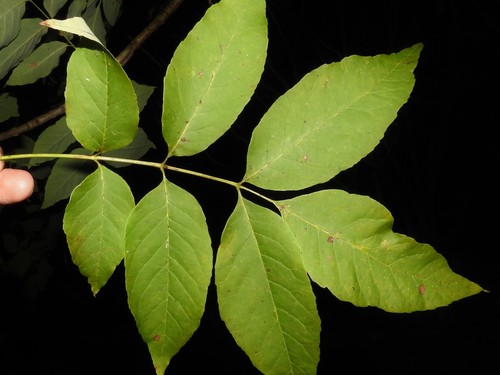
North American Ash remains one of the most undervalued hardwoods in 2026, delivering exceptional strength-to-weight ratio and shock resistance that makes it indispensable for tool handles and sports equipment. Cabinet makers and furniture builders prize its pronounced open grain that accepts stain beautifully, while its lighter weight compared to oak makes it ideal for large door panels and drawer boxes. Supply pressures from emerald ash borer damage are finally easing in many regions, creating opportunities for savvy buyers to secure quality lumber at increasingly favorable prices.
I have used ash extensively for painted kitchen cabinets because its open grain creates incredible mechanical adhesion for primer systems, something most woodworkers do not realize. When building a large farmhouse kitchen in Duluth, I discovered that ash door rails and stiles stayed remarkably flat even in the humid summer months, outperforming both maple and oak in dimensional stability. The key with ash is to seal the end grain immediately after machining because it wicks moisture faster than almost any other species I work with.
About Ash
Fraxinus americana grows naturally from Nova Scotia west to southeastern Alberta and south to northern Florida and eastern Texas, with the finest commercial timber coming from the Great Lakes region and Appalachian mountains where slower growth produces denser, more consistent grain patterns.
The wood displays cream to light brown heartwood with pale yellow to nearly white sapwood, featuring prominent open grain with ring-porous structure that creates distinctive cathedral patterns in plainsawn boards and straight, even lines in quartersawn stock. The grain typically runs straight with occasional mild figure, and the wood has a coarse but uniform texture that telegraphs beautifully through stains and clear finishes.
Ash often gets confused with hickory by inexperienced buyers, but ash is notably lighter in weight and has less contrast between early and late wood, while white oak shares similar strength characteristics but has closed pores and much different grain figure. Red oak is closer in appearance but ash lacks the prominent ray fleck and has better dimensional stability across seasonal moisture changes.
Historically, ash built the backbone of American industry from baseball bats to shovel handles, with its combination of strength, flexibility, and shock absorption making it irreplaceable for applications where other hardwoods would snap under stress. The wood gained particular prominence in furniture making during the Arts and Crafts movement when its bold grain complemented the period aesthetic.
What Ash Costs in 2026
The easing trend reflects recovering supply chains in beetle-affected regions and reduced industrial demand as manufacturers switch to alternatives, creating a buyer opportunity that may last 12-18 months. Mills are working through inventory backlogs built up during supply shortages, putting downward pressure on wholesale prices that retailers are beginning to pass through. Lock in quantities now for projects planned through 2027, as this easing cycle will likely reverse once supply-demand balance normalizes.
Key Price Drivers
- Emerald ash borer recovery programs have stabilized regional supplies in previously devastated areas like Michigan and Ohio, reducing the premium buyers paid for certified clean lumber
- Increased harvesting from western ranges where beetle pressure remains minimal has added new volume to markets traditionally supplied by Great Lakes forests
- Competition from engineered lumber and composite materials in traditional ash markets like tool handles has reduced industrial demand pressures
- Rising transportation costs from remote harvesting areas still add 8-12% to delivered prices compared to pre-beetle outbreak costs
- Quality sorting has improved as mills develop better protocols for detecting and removing compromised timber, but this adds processing costs that get passed to buyers
- Export demand from Asia for sports equipment manufacturing creates price floors that prevent dramatic drops, especially for premium grades
See report
Know Exactly What to Pay Before You Buy
7 thicknesses · 3 grade tiers · 5 regions · milling premiums · 3-year trend. Verified from domestic hardwood dealers nationwide.
5 US regions
3-year trend
Milling premiums
Instant PDF
Working Properties & Finishing
Machining
Use carbide-tipped blades with 40-50 teeth for crosscuts and rip with 24-30 teeth to prevent the pronounced grain from chipping out, particularly when working against the grain direction. Feed rates should be moderate to prevent burning in the dense latewood bands, and a zero-clearance throat plate is essential when crosscutting to support the grain at the exit point. The biggest mistake I see is rushing the cut, which causes the blade to grab in the alternating hard and soft grain layers, leading to burn marks that are difficult to sand out completely.
Joinery & Assembly
Ash glues exceptionally well with both PVA and polyurethane adhesives, but the open grain structure requires slightly longer clamp times to allow adhesive to fully penetrate the porous surface. Pre-drilling is mandatory even for cabinet screws due to the density variations between early and late wood that can cause splitting. Mortise and tenon joints are particularly strong in ash because the long grain fibers resist shearing forces better than most ring-porous species.
Finishing
Ash is notorious for blotchy stain absorption due to its ring-porous structure, so always use a pre-stain wood conditioner or gel stain for even color distribution. The species responds beautifully to water-based finishes that do not add amber tones, preserving the natural light color that many clients prefer. Tannin content is low so no bleeding issues with water-based topcoats, and the wood ages to a pleasant honey tone under UV exposure rather than the orange cast of cherry. I consistently get excellent results with General Finishes Arm-R-Seal over properly conditioned ash. The open grain telegraphs through thin finishes, so plan on multiple coats if you want a glass-smooth surface.
Target 6-8% moisture content for interior applications, as ash moves moderately in service but less than oak or hickory when properly dried. The species is prone to casehardening during kiln drying, so boards from reputable mills with proper drying schedules are worth the premium. Ash acclimates relatively quickly to shop conditions, typically requiring only 7-10 days for stock under 2 inches thick.
Domestic ash sourcing eliminates the environmental costs of imports while supporting North American forest management programs specifically designed to maintain genetic diversity during beetle recovery efforts. Look for FSC-certified ash from Great Lakes suppliers who are actively participating in replanting programs with beetle-resistant cultivars. Regional availability varies significantly, with western sources becoming more important as traditional eastern supplies rebuild, making transportation efficiency a key environmental consideration.
Before You Buy — What to Know
Always inspect the end grain for dark staining or insect damage that indicates emerald ash borer compromise, and ask dealers specifically about the harvest region and timing of their ash inventory. Look for boards with consistent color between heartwood and sapwood if you plan to use natural finishes, as some ash shows dramatic color variation that can look patchy. Avoid boards with excessive mineral streaking or gray discoloration, which indicates fungal staining from extended log storage, and check that kiln drying was properly done by looking for honeycomb cracks in thicker stock.
Choosing the Right Ash
| Application | Recommended | Key Consideration |
|---|---|---|
| Furniture | Primary use | See full species report for grade recommendations |
| Flooring | Suitable | See full species report for grade recommendations |
| Tool handles | Suitable | See full species report for grade recommendations |
| Sports equipment | Suitable | See full species report for grade recommendations |
Janka Hardness: 1320 — Hard and durable. Suitable for flooring and high-wear applications.
Where to Buy Ash Near You
Ash is widely available from hardwood dealers and sawmills across the US. Use the WoodScout directory to find rated suppliers near you — many sell direct to hobbyists and small shops.
All Hardwood Lumber Dealers →
Minnesota
Wisconsin
Pennsylvania
North Carolina
Ohio
California
Texas
Search 3,700+ hardwood dealers and sawmills across all 50 states — with ratings, reviews, and contact info.